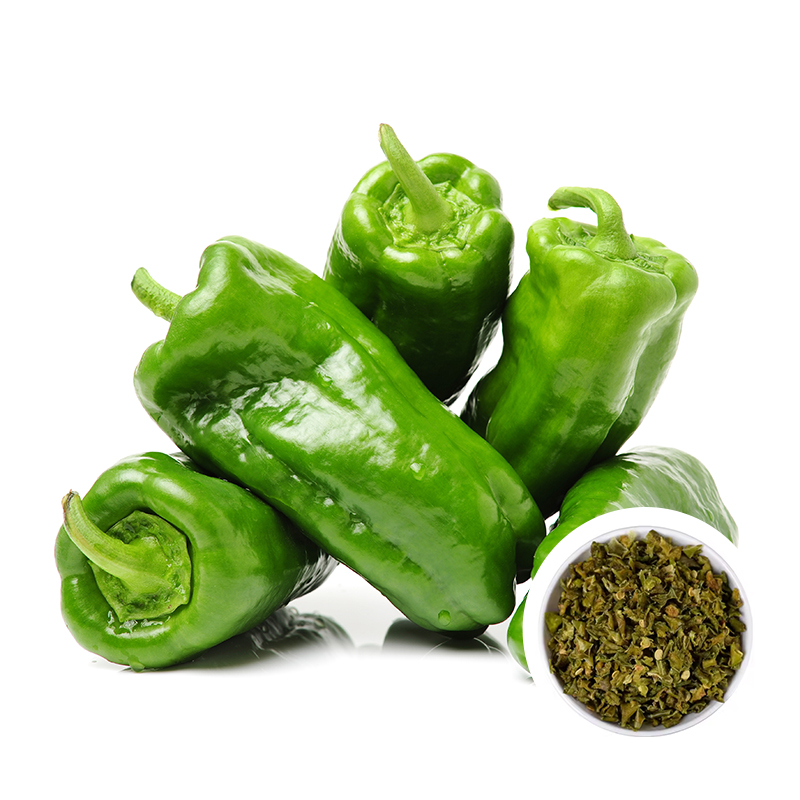
Dehydrated chili peppers are a versatile ingredient used in various food applications, prized for their intense flavor and long shelf life. For B2B buyers, such as purchasing managers and food manufacturers, understanding the benefits, sourcing challenges, and quality evaluation of dehydrated chili peppers is crucial. This article aims to provide practical insights on these topics, helping you make informed purchasing decisions.
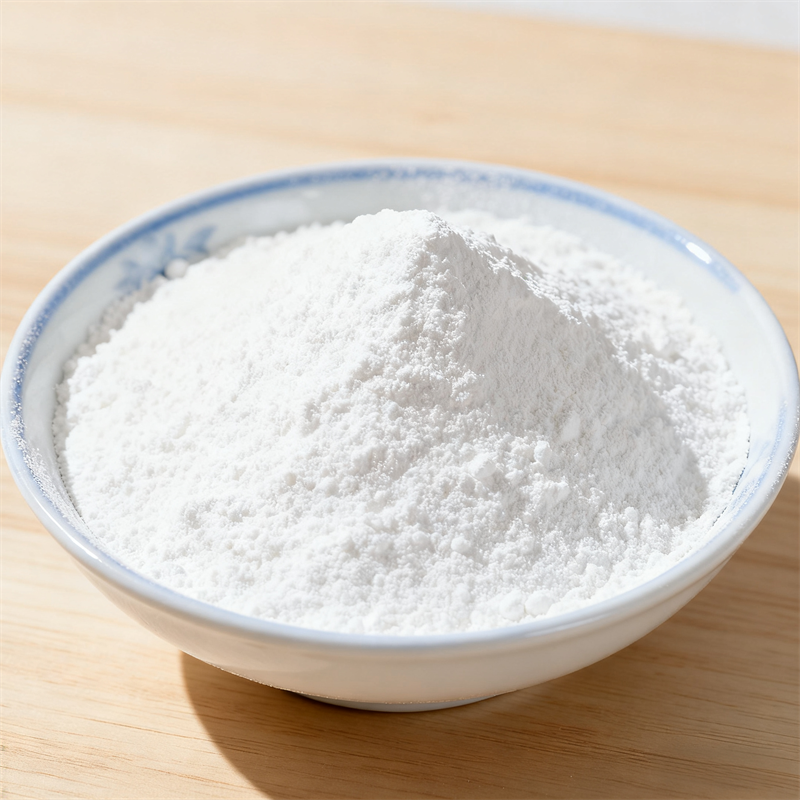
Dehydrated chili peppers offer several benefits that make them a preferred choice in food production. Firstly, they retain most of the flavor and nutritional value of fresh peppers while eliminating moisture, which extends their shelf life significantly. This makes them ideal for products that require a long shelf life without refrigeration, such as spice blends, sauces, and ready-to-eat meals. For instance, incorporating Magnesium Citrate Powder (Mg 14.5-16.4%) can enhance the nutritional profile of these products.
Additionally, dehydrated chili peppers come in various forms, such as flakes, powders, or whole peppers, allowing for flexibility in food formulations. Their concentrated flavor can enhance dishes without the need for additional preservatives. Furthermore, the use of dehydrated peppers can streamline production processes by reducing the need for handling and processing fresh peppers, thus minimizing waste and labor costs.
Incorporating dehydrated chili peppers also allows for easier portion control and consistency in flavor across batches. This can be particularly beneficial for manufacturers producing large quantities of food products where uniformity is essential for brand reputation.
Sourcing dehydrated chili peppers can present several challenges for buyers. One common issue is variability in quality, which can stem from factors such as growing conditions, harvesting methods, and processing techniques. To mitigate this, buyers should seek suppliers with established quality control processes that include rigorous testing of raw materials and finished products.
Another problem is the inconsistency in heat levels, as different chili varieties can vary significantly in spice intensity. Buyers should clearly communicate their specific requirements regarding heat levels and be prepared to test samples to ensure they meet their needs. Additionally, requesting detailed product specifications, including the chili variety, capsaicin content, and processing methods, can help ensure a suitable match for your applications.
Supply chain logistics can also pose challenges, particularly for international buyers. To counter potential delays, it is advisable to establish strong communication with suppliers about lead times and shipping methods, as well as to consider maintaining a safety stock of critical ingredients to prevent production interruptions.
Integrating dehydrated chili peppers into your production process involves specific considerations to ensure optimal results. Firstly, it is essential to determine the correct rehydration method, as improper rehydration can lead to inconsistent flavor and texture. Depending on the application, some products may benefit from soaking in water or broth, while others may be incorporated directly into dry mixes.
When using dehydrated chili peppers in formulations, be mindful of their absorption capacity, as they can retain moisture in final products. This may affect the overall moisture content and shelf stability of the end product. Conducting small batch tests can help determine the best incorporation method and achieve the desired flavor profile.
Additionally, consider the impact of heat during cooking processes, as prolonged exposure to high temperatures can degrade the flavor compounds in dehydrated chili peppers. Therefore, adding them at an appropriate stage in the cooking process is crucial. For instance, incorporating them earlier may result in a milder flavor, while adding them towards the end can preserve their intensity.
Finding reliable suppliers for dehydrated chili peppers is essential for maintaining quality and consistency in your products. Start by researching suppliers that specialize in spice and food ingredient manufacturing, as they are more likely to have established quality assurance protocols. Online directories and industry trade shows can also be valuable resources for identifying potential suppliers.
When evaluating suppliers, consider their experience in the industry and their ability to provide customized solutions tailored to your needs. Look for suppliers that can offer transparency regarding their sourcing practices, quality control measures, and certifications. Requesting samples is a critical step in the selection process, as it allows you to assess the flavor, texture, and heat levels of their products before making a commitment.
Furthermore, it may be beneficial to establish relationships with suppliers who have a solid track record of serving your specific industry, whether it be food, pharmaceuticals, or cosmetics. This can lead to better service, tailored advice, and potential cost savings through long-term partnerships.
When purchasing dehydrated chili peppers, quality evaluation is vital to ensure that the product meets your specifications. Start by examining the sensory characteristics, including color, aroma, and flavor. High-quality dehydrated chili peppers should exhibit vibrant color and a strong, fresh aroma, indicating that they have been properly processed and stored.
Next, assess the moisture content, as this can significantly impact shelf life and flavor. Ideally, dehydrated chili peppers should have a moisture content of less than 10%. This can often be confirmed through supplier documentation or by conducting moisture tests in-house.
In addition, verify the presence of contaminants such as mold or foreign materials by requesting a Certificate of Analysis (COA) from your supplier. This document should detail the results of microbiological testing and confirm compliance with food safety standards.
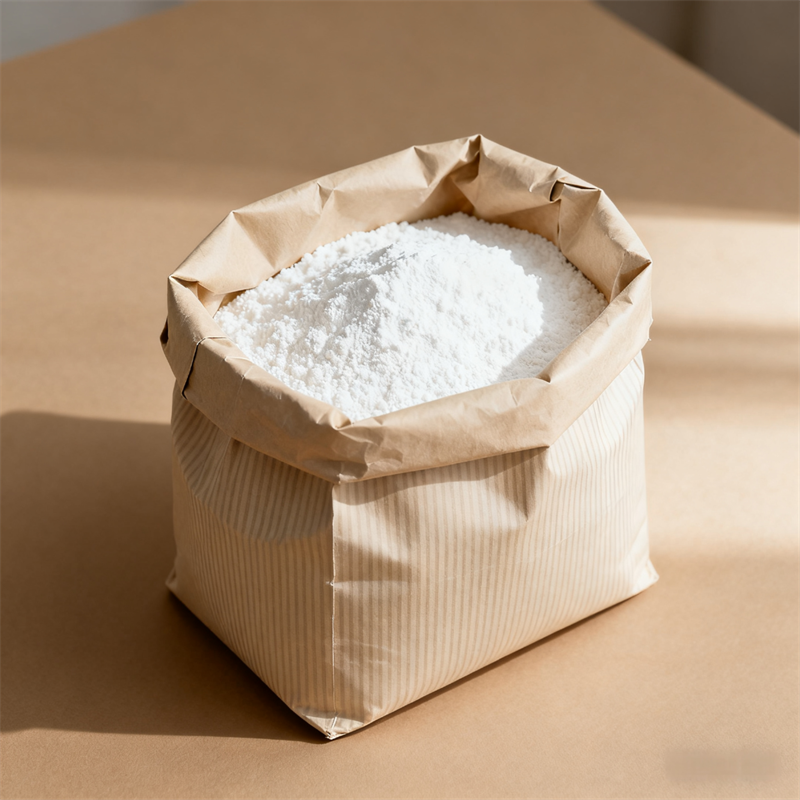
Finally, consider the packaging. Dehydrated chili peppers should be packaged in airtight containers to prevent moisture absorption and flavor loss during storage and transportation. Evaluate the supplier's packaging methods and ensure they align with best practices for preserving product integrity.
By following these guidelines, you can effectively evaluate the quality of dehydrated chili peppers and make informed purchasing decisions that support your business objectives.
 EN
EN