Natural flavoring agents are essential components in the food industry, enhancing the taste and appeal of various products. As a B2B buyer, understanding how to select quality natural flavoring agents is crucial for ensuring product satisfaction and compliance with industry standards. This article will guide you through the key considerations in choosing the right flavoring agents, comparing specifications for bulk orders, addressing common issues, exploring applications in the food industry, and providing installation guidance to optimize their use in production.
Selecting the right natural flavoring agents involves several critical factors. First, consider the source of the flavoring agents. High-quality natural flavors are derived from plants, fruits, or spices and should be free from synthetic additives. Look for suppliers, like Shanghai Yuanri International Trade Co., Ltd., who provide detailed information about the sourcing and processing of their flavoring agents.
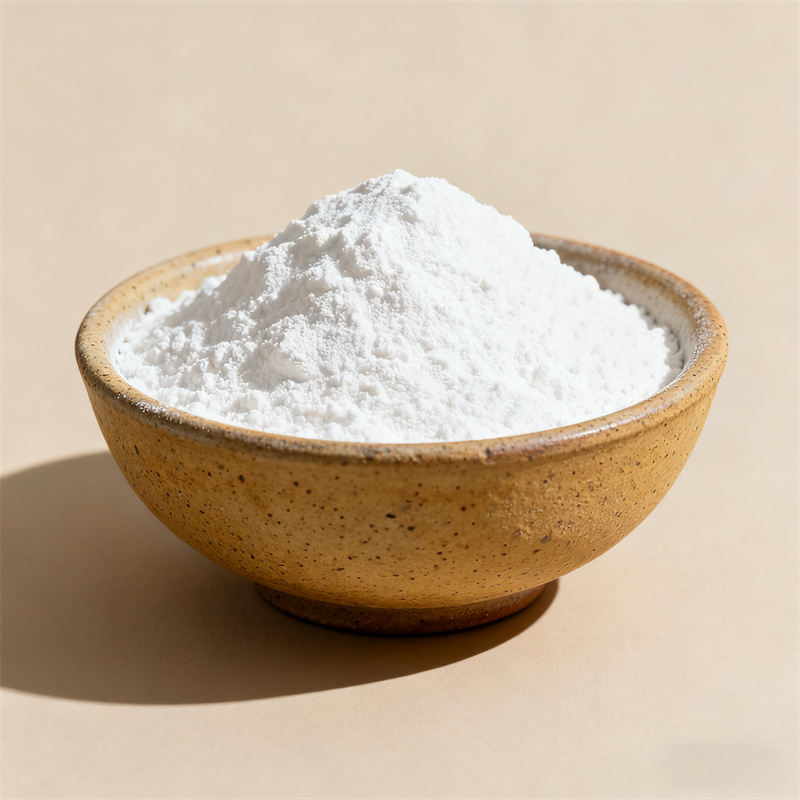
Next, evaluate the sensory attributes, including taste, aroma, and color. The sensory profile must align with your product's intended flavor profile. Additionally, verify the specifications, such as concentration levels, solubility, and stability under various storage conditions. This is vital as it affects the flavor's efficacy and longevity in your end products. For example, using high-quality Magnesium Citrate Powder (Mg 14.5-16.4%) can enhance the overall flavoring experience.
Finally, ensure that the flavoring agents meet relevant food safety regulations and certifications. You should ask for documentation that confirms compliance with local and international standards, which may include certifications like ISO or HACCP. This guarantees that you are sourcing safe and high-quality ingredients.

When making bulk orders of natural flavoring agents, it’s crucial to compare their specifications to ensure consistency and quality. Key specifications to consider include:
Concentration: Higher concentrations may be more cost-effective but require careful calibration in formulations. Extract Type: Understand whether the agent is a single extract, blend, or concentrated essence, as this impacts flavor strength and application methods. Solubility: Some flavoring agents dissolve better in certain solvents, influencing their use in various food products. For instance, oil-soluble flavors are ideal for baked goods, while water-soluble flavors work well in beverages. Shelf Life: Check the recommended shelf life and storage conditions to prevent degradation of flavor quality over time.Before finalizing your order, request samples to evaluate the flavor profile and performance in your specific applications. This step can help avoid potential discrepancies in quality between different batches.

Despite their benefits, natural flavoring agents can present challenges. Here are common issues and their potential solutions:
Inconsistent Flavor Profiles: Variability in raw materials can lead to inconsistent flavor quality. Establishing a strong relationship with your supplier can help ensure that they provide consistent sources and batches. Sensitivity to Heat and Light: Natural flavors may degrade when exposed to high temperatures or direct sunlight. To mitigate this, implement proper storage practices and consider using protective packaging. Solubility Issues: Certain agents may not dissolve well in specific formulations, leading to uneven distribution. Testing in preliminary batches can help identify solubility issues before mass production. Regulatory Compliance: Changes in regulations can affect the acceptability of certain flavoring agents. Regularly review compliance documentation and stay updated on industry regulations to ensure your products remain compliant.By addressing these common problems proactively, you can maintain the quality and integrity of your products.
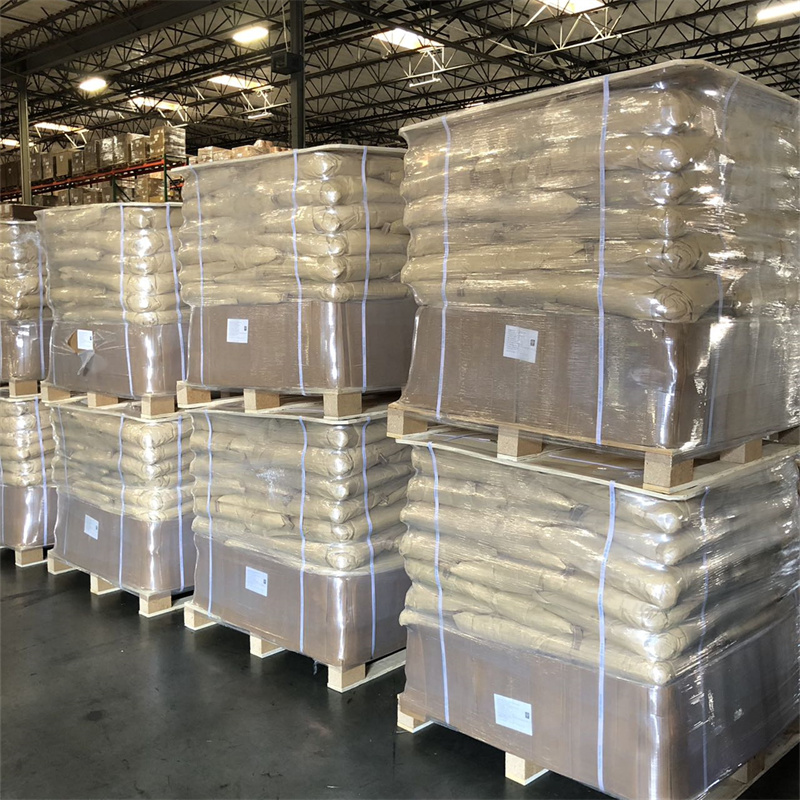
Natural flavoring agents find diverse applications across the food industry, enhancing everything from snacks and beverages to sauces and baked goods. Here are some key applications:
Beverages: Natural flavors are commonly used in soft drinks, fruit juices, and alcoholic beverages to create appealing taste profiles. Confectionery: In candies and chocolates, these agents help achieve desired flavor notes that resonate with consumers. Bakery Products: Flavoring agents in bread and pastries can enhance taste and aroma, contributing to a more enjoyable eating experience. Dairy Products: Yogurts and cheese often utilize natural flavors to enhance their overall flavor while maintaining a clean label.Understanding the specific application of the flavoring agents will help you select the most suitable products for your formulations, ensuring both consumer satisfaction and regulatory compliance.
Proper installation and incorporation of natural flavoring agents into your production process are crucial for achieving the desired flavor profile. Here are some practical guidelines:
Pre-Mix Preparation: Ensure that natural flavoring agents are adequately pre-mixed with other ingredients to achieve uniformity in flavor distribution. This step may involve dissolving the flavoring agent in a compatible solvent before adding it to the main mixture.
Temperature Control: Maintain appropriate temperature conditions during mixing and processing. Excessive heat can alter the flavor profile and reduce the effectiveness of the natural flavors.
Timing of Addition: Add the natural flavoring agents at the right stage of production. For example, in baked goods, adding flavors toward the end of mixing can preserve their potency. Conversely, in products that undergo heat treatment, adding them after cooling may be necessary.
Monitoring and Testing: Regularly monitor the flavor profile during production runs and conduct sensory evaluations to ensure consistency. This practice helps identify any deviations early in the process, allowing for timely adjustments.
By following these guidelines, you can optimize the use of natural flavoring agents in your production, enhancing the final product's quality and appeal.
In summary, the selection and application of natural flavoring agents require careful consideration of various factors, from sourcing and specifications to proper implementation in production. By understanding these elements, B2B buyers can make informed decisions that align with their product goals and consumer expectations.
 EN
EN