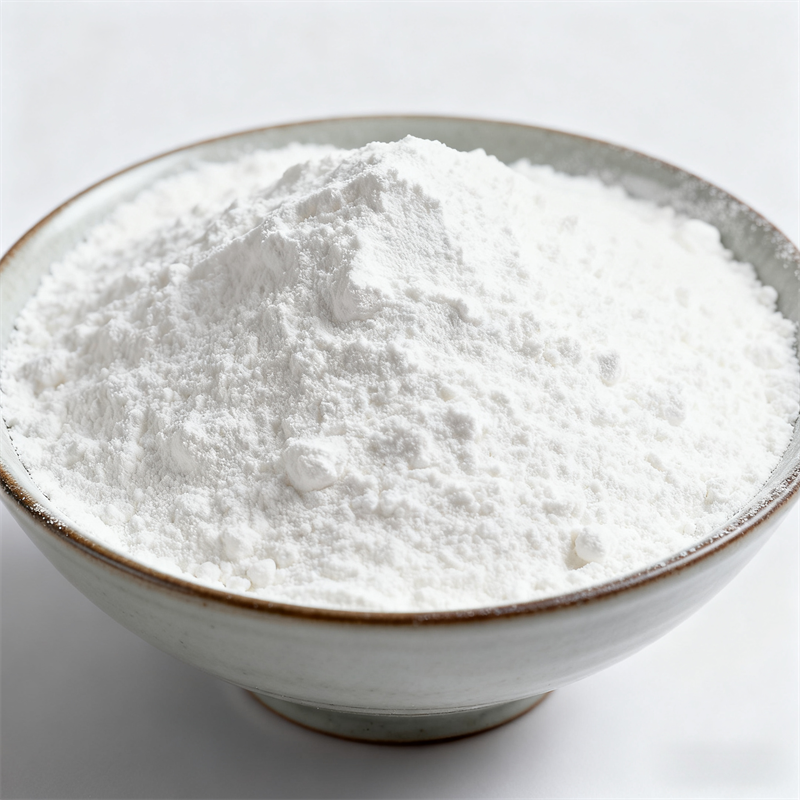
Thickeners play a crucial role in the food industry, enhancing texture, stability, and mouthfeel. When considering a thickener for food, buyers often have concerns about product quality, application suitability, and sourcing reliability. This article aims to equip purchasing managers, product developers, and food manufacturers with the necessary knowledge to make informed decisions regarding food thickeners, including specifications, quality evaluation, cost factors, and practical purchasing guidance.
Food thickeners are substances that increase the viscosity of a food product without substantially altering its other properties. Common types include starches, gums, and pectin, each with distinct characteristics that make them suitable for various applications. Understanding the specific needs of your product is key. For instance, if you're formulating a sauce that requires a smooth texture, a modified food starch may be ideal, while a gelatin might be the choice for a dessert that requires a firm set. Additionally, incorporating high-quality ingredients, such as those found in Feed Ingredients, can enhance the overall quality of your food products.
Buyers should also consider the source of these thickeners, as the quality can significantly impact the final product. Factors such as origin, processing methods, and purity levels are essential to ensure consistency and compliance with food safety regulations.
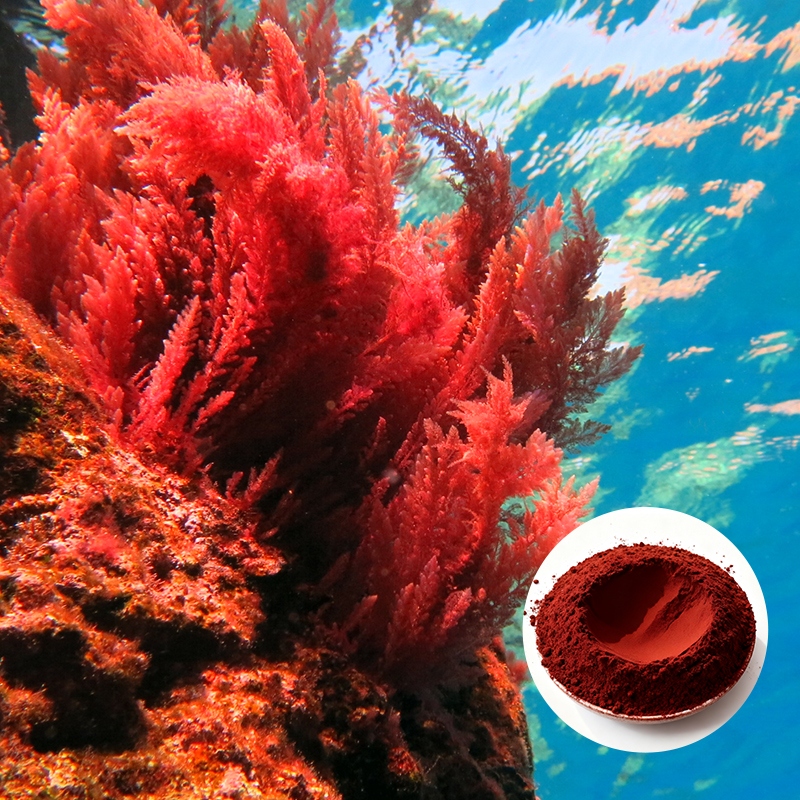
When purchasing a thickener for food, there are several critical factors to consider:
Application Suitability: Determine the type of food product you are developing. Different thickeners work better in specific applications, such as sauces, dressings, or bakery products. Knowing the end-use will guide your selection.
Specification Requirements: Outline the desired specifications, including viscosity, gel strength, and solubility. For instance, some applications may demand a rapid thickening agent, while others might require a slow-release thickener.
Quality Assurance: Ensure that the supplier adheres to stringent quality control processes. Certifications such as ISO or HACCP can indicate a commitment to quality.
Customization Needs: Assess whether you need a standard product or a customized solution. Many suppliers, including Shanghai Yuanri International Trade Co., Ltd., offer tailored formulations to meet specific requirements.
Sampling: Request samples for testing under actual production conditions. Evaluating the performance of a thickener in your product can prevent issues later in the manufacturing process.
Quality evaluation of food thickeners involves several key steps:
Material Composition: Verify that the materials used meet your formulation needs. For example, if allergen-free products are required, confirm that the thickener is free from gluten or other allergens.
Testing and Certifications: Request documentation that supports the product's quality claims. Suppliers should provide data on viscosity, stability, and any relevant certifications that assure compliance with food safety standards.
Batch Consistency: Assess how the supplier maintains consistency across different batches. Variability can lead to significant changes in product quality, which is especially critical for repeat orders.
Shelf Life and Storage Conditions: Understand the shelf life of the thickener and the recommended storage conditions. Proper storage can prevent degradation and maintain the thickener's efficacy over time.
Supplier Reputation and Experience: Consider the supplier’s track record in the industry. Companies with extensive experience, like Shanghai Yuanri International Trade Co., Ltd., typically have established processes that ensure quality.
When evaluating the cost of food thickeners, several factors come into play:
Raw Material Costs: The price of raw materials can fluctuate based on market conditions. For instance, natural thickeners like guar gum may vary in price due to changes in agricultural yield.
Processing and Manufacturing Costs: The complexity of processing thickeners impacts their price. Some thickeners require extensive processing, which can add to the overall cost.
Order Quantity: Minimum Order Quantities (MOQs) can affect pricing. Bulk purchases often result in cost savings, but it’s essential to balance this with your production needs to avoid excess inventory.
Packaging and Shipping: Consider the costs associated with packaging and shipping. Different thickeners may require specific packaging solutions that can influence overall expenses.
Quality vs. Price Trade-off: While it may be tempting to choose the cheapest option, consider the long-term implications of quality. A higher-quality thickener can lead to better product stability and customer satisfaction.
To make informed purchasing decisions regarding food thickeners, buyers should follow these guidelines:
Prepare Detailed Specifications: Clearly outline your requirements, including any specific performance characteristics and compliance needs. This information will help suppliers provide accurate quotations.
Conduct Supplier Comparisons: Evaluate multiple suppliers to compare pricing, quality, and service levels. Look for those with a proven track record in the food industry, particularly those who can provide references or case studies.
Request Technical Support: Engage with suppliers who offer technical support. Understanding how to properly incorporate thickeners into your formulations can make a significant difference in product performance.
Evaluate Sample Products: Before committing to a supplier, test their products in your own applications. This will help identify any compatibility issues or variations in performance.
Maintain Open Communication: Establish a good working relationship with your supplier. Open lines of communication can help address any concerns quickly and facilitate better collaboration on future projects.
By following these guidelines and leveraging the expertise of experienced suppliers like Shanghai Yuanri International Trade Co., Ltd., buyers can navigate the complexities of sourcing food thickeners, ensuring they select the right products for their specific applications. Additionally, exploring options like Food Ingredients can further enhance your formulation capabilities.
 EN
EN