Food flavour enhancers are crucial ingredients in the food industry, designed to improve the taste and aroma of various products. As B2B buyers, including purchasing managers and product developers, you may prioritize factors such as quality, sourcing reliability, and application suitability when considering these additives. This article will delve into the key aspects of food flavour enhancers, offering insights into quality control measures, sourcing strategies, common challenges, diverse applications, and expert tips for bulk ordering.
Quality control in the manufacturing of food flavour enhancers is paramount, as these products must adhere to strict safety and regulatory standards. A comprehensive quality control process should begin with the selection of raw materials. Sourcing high-quality, food-grade ingredients is essential; suppliers should provide detailed certificates of analysis (COA) to confirm compliance with food safety regulations.
During production, critical control points (CCPs) should be established to monitor variables such as temperature, humidity, and pH levels, which can affect the stability and efficacy of flavour enhancers. Regular testing and validation of the production process ensure consistency and quality. Additionally, implementing Good Manufacturing Practices (GMP) and Hazard Analysis Critical Control Point (HACCP) systems helps mitigate risks and ensure product safety.
Quality assurance should extend to packaging, as the right materials and techniques can protect flavour enhancers from contamination and degradation. Buyers should inquire about the manufacturer’s quality control certifications and protocols to ensure that the products meet their specific standards. For example, the use of Food Additives in packaging can enhance the overall product integrity.
Sourcing reliable food flavour enhancers involves evaluating potential suppliers based on their reputation, certifications, and product offerings. Established manufacturers like Shanghai Yuanri International Trade Co., Ltd. can be excellent partners due to their extensive experience and commitment to quality.
When searching for suppliers, consider the following factors:
Certifications: Look for suppliers with ISO certifications or those who comply with local and international food safety standards. This indicates a commitment to quality and safety.
Product Range: Suppliers should offer a diverse range of flavour enhancers tailored to various applications, which can facilitate customization for specific product needs.
Customization Capabilities: A reliable supplier should be able to provide tailored solutions to meet your formulation requirements, including specific flavour profiles and concentrations.
Reputation and References: Seek reviews or testimonials from other clients in the food industry to gauge the reliability and consistency of the supplier's products.
Sample Availability: Before making large orders, request samples to evaluate the product's performance in your applications.

While food flavour enhancers are valuable, they can present challenges that buyers must address. Some common problems include:
Inconsistent Flavour Profiles: Variability in raw materials can lead to discrepancies in flavour strength and consistency. To mitigate this, establish strong relationships with suppliers who provide consistent quality and conduct routine sensory evaluations.
Compatibility Issues: Some flavour enhancers may not blend well with specific formulations, resulting in undesirable tastes or aromas. Conducting compatibility tests with your product formulations can help identify potential issues before large-scale production.
Regulatory Compliance: Changes in food safety regulations can affect the acceptability of certain flavour enhancers. Stay informed about local and international regulations and work closely with suppliers who have a proactive approach to compliance.
Shelf Life and Stability Concerns: Buyers should evaluate the stability of flavour enhancers under various storage conditions. Request stability data from suppliers and perform your own tests to ensure that the product meets your shelf-life requirements.
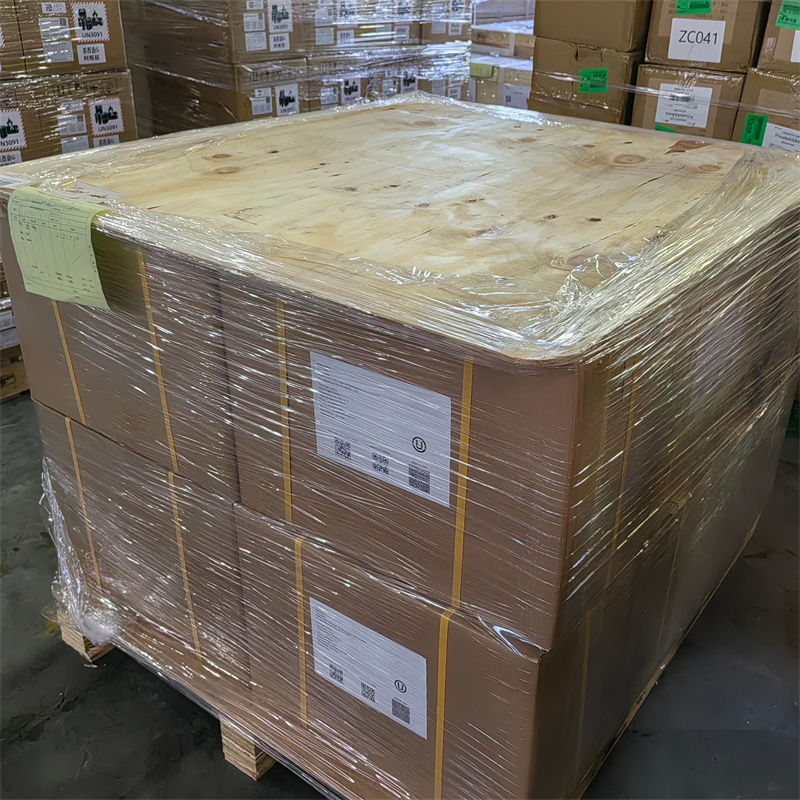
Food flavour enhancers find applications across a wide range of products, enhancing taste and consumer appeal. Some notable applications include:
Snacks and Savory Foods: Flavour enhancers are widely used in chips, crackers, and ready-to-eat meals to boost umami taste, making these products more appealing to consumers.
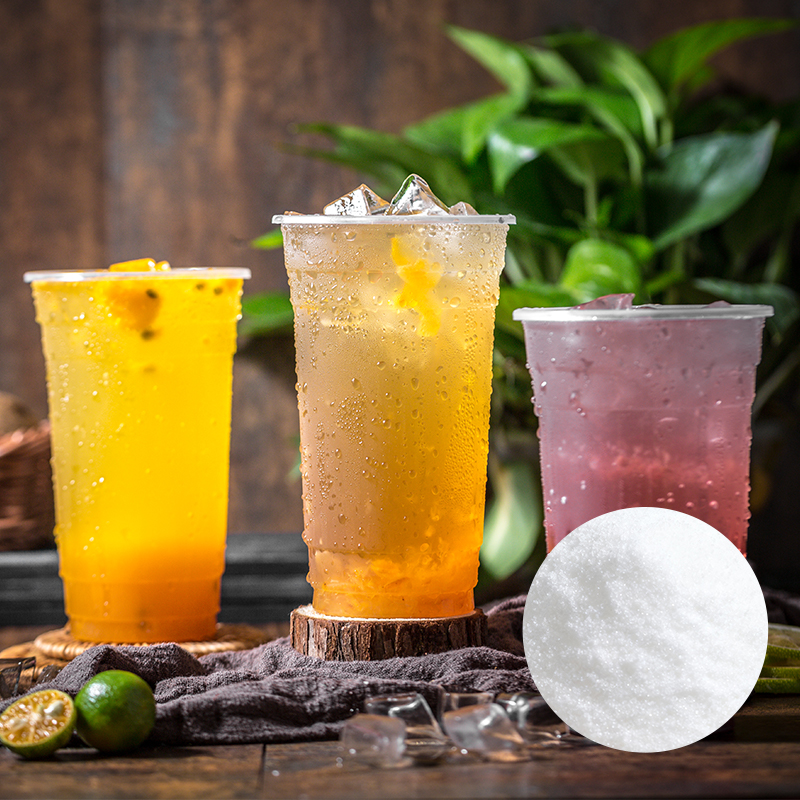
Beverages: In the beverage industry, flavour enhancers can enhance the taste of soft drinks, juices, and alcoholic beverages, ensuring a balanced and enjoyable flavor profile.
Dairy Products: Cheese, yogurt, and other dairy items often incorporate flavour enhancers to improve taste, mask off-flavors, or replicate specific profiles in low-fat formulations.
Sauces and Condiments: Flavour enhancers play a crucial role in achieving the desired taste in sauces, dressings, and marinades, allowing manufacturers to create distinctive offerings.
Confectionery: In the sweets and desserts sector, flavour enhancers are essential for delivering complex flavors that enhance consumer satisfaction.
Understanding the specific applications of food flavour enhancers can help buyers choose the right products for their formulations and align with market trends.
Bulk ordering food flavour enhancers requires careful planning to ensure that you receive the right products at the right time. Here are some expert tips:
Clearly Define Your Requirements: Before placing an order, provide detailed specifications including the desired flavour profile, concentration levels, and any specific regulatory requirements.
Negotiate Pricing and Terms: Bulk orders often come with price breaks, so negotiate for the best terms based on your purchasing volume. Consider factors such as delivery schedules, payment terms, and return policies.
Lead Time Considerations: Inquire about lead times and plan your orders accordingly to avoid production delays. Understanding the supplier's production capacity can help you align your purchasing schedule with your production needs.
Quality Assurance Protocols: Before bulk orders, set up a quality assurance protocol that includes sample approvals and testing criteria. This will help ensure that the products meet your expectations before they reach your production line.
Evaluate Packaging Options: Depending on your storage facilities, packaging can impact the shelf life and ease of handling of flavour enhancers. Discuss packaging options with your supplier to ensure they align with your operational needs.
By following these tips, you can streamline your bulk ordering process and secure high-quality food flavour enhancers that meet your specifications.
 EN
EN