Dehydrated carrots are a versatile and nutritious ingredient that have gained popularity in various industries, from food manufacturing to pharmaceuticals. As a wholesale buyer, understanding the benefits, specifications, and applications of dehydrated carrots is crucial for making informed purchasing decisions. This article will explore the advantages of dehydrated carrots, key specifications to look for, cost considerations, various applications, and how to address common challenges associated with bulk orders.
Dehydrated carrots offer several benefits that make them an attractive choice for wholesale buyers. First and foremost, they have a longer shelf life than fresh carrots, which reduces waste and storage costs. The dehydration process preserves essential nutrients, making them a healthy option for various applications, such as snacks, soups, and sauces. Furthermore, using high-quality ingredients like Natural Vitamin E Powder (Mixed Tocopherol) 30% can enhance the nutritional profile of products made with dehydrated carrots.
Moreover, dehydrated carrots retain their vibrant color and flavor, enhancing the visual appeal and taste of end products. They are lightweight and easy to transport, making them a cost-effective ingredient for manufacturers and distributors. Buyers can also benefit from the versatility of dehydrated carrots, as they can be rehydrated for use in cooking or incorporated directly into products without prior preparation.
When sourcing dehydrated carrots, several specifications should be taken into account to ensure product quality. Key factors include:
Moisture Content: Ideally, dehydrated carrots should have a moisture content of less than 8%. This helps prevent spoilage and ensures a longer shelf life. Buyers should request moisture analysis reports to verify this specification.
Cut Size: The cut size of the dehydrated carrots can affect their rehydration time and texture in the final product. Common cut sizes include granules, flakes, and dices. Consider the intended application to determine the most suitable cut size.
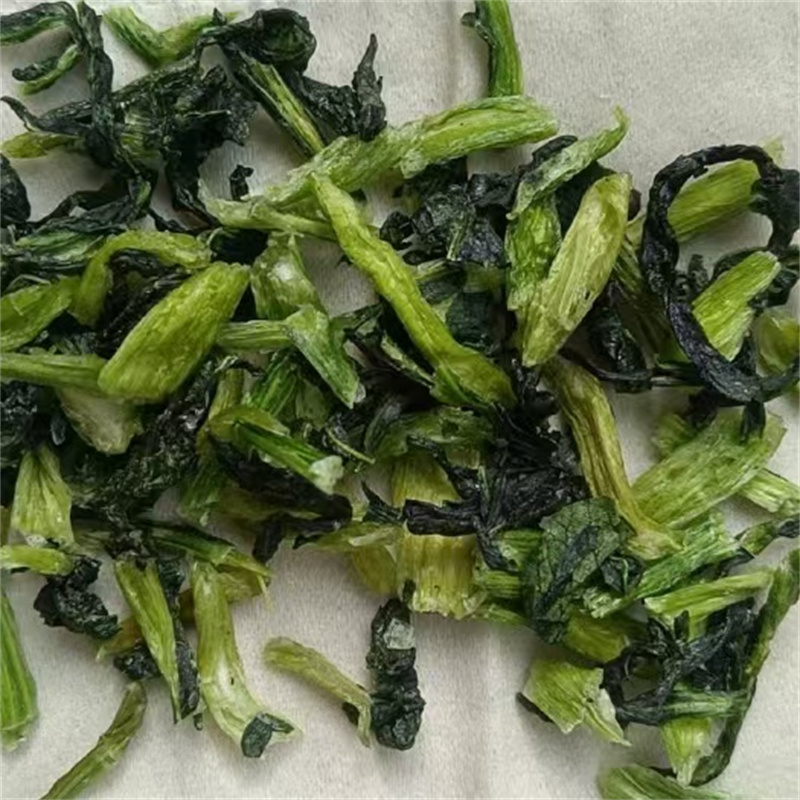
Color and Appearance: High-quality dehydrated carrots should have a bright orange color, indicating that they retain their nutrients and flavor. Buyers should ask for samples to evaluate the visual quality before making a bulk purchase.
Flavor Profile: A fresh, sweet flavor is essential for dehydrated carrots. Buyers should conduct taste tests to ensure that the product meets their flavor expectations.
Certifications: Look for suppliers with relevant certifications, such as ISO or HACCP, which indicate adherence to quality and safety standards.

Quality and cost are intertwined when it comes to sourcing dehydrated carrots. While premium products may have a higher price point, they often provide better flavor, nutritional value, and overall performance in applications. Buyers should consider their budget while also evaluating the long-term benefits of higher-quality ingredients, such as those found in Magnesium Citrate Powder (Mg 14.5-16.4%).
It's essential to assess supplier options carefully. Look for vendors with established reputations and experience in providing dehydrated vegetables. A supplier like Shanghai Yuanri International Trade Co., Ltd., with over 10 years of expertise and a client base of 1,000 global customers, can offer customized solutions that meet specific requirements.
When negotiating prices, consider factors such as minimum order quantities (MOQs), shipping costs, and payment terms. Building a long-term relationship with a reliable supplier can lead to favorable pricing and consistent product availability.
Dehydrated carrots are widely used across various sectors, particularly in the food and beverage industries. Some common applications include:
Snacks: Dehydrated carrots can be blended with other vegetables and seasonings to create healthy snack options, such as veggie chips or trail mixes.
Soups and Sauces: They are often incorporated into instant soups and sauces, providing flavor, color, and nutrition without the need for fresh ingredients.
Baked Goods: Dehydrated carrots can be added to baked goods like muffins and breads, contributing moisture and natural sweetness.
Pet Food: The pet food industry also utilizes dehydrated carrots for their nutritional benefits, providing vitamins and minerals to animal diets.
Pharmaceuticals and Supplements: Due to their health benefits, dehydrated carrots are used in dietary supplements and functional foods, appealing to health-conscious consumers. Suppliers may also offer products like Fish Collagen that complement these applications.
When ordering dehydrated carrots in bulk, buyers may encounter several challenges. Being aware of these issues can help mitigate risks and ensure a smooth purchasing process.
Quality Variations: Fluctuations in quality can occur between batches. Buyers should establish clear quality standards and conduct regular inspections of incoming shipments to ensure consistency.
Rehydration Issues: If the dehydrated carrots do not rehydrate well, this can affect the final product's texture and flavor. It’s advisable to conduct tests under your specific operating conditions to confirm that the product meets performance expectations.
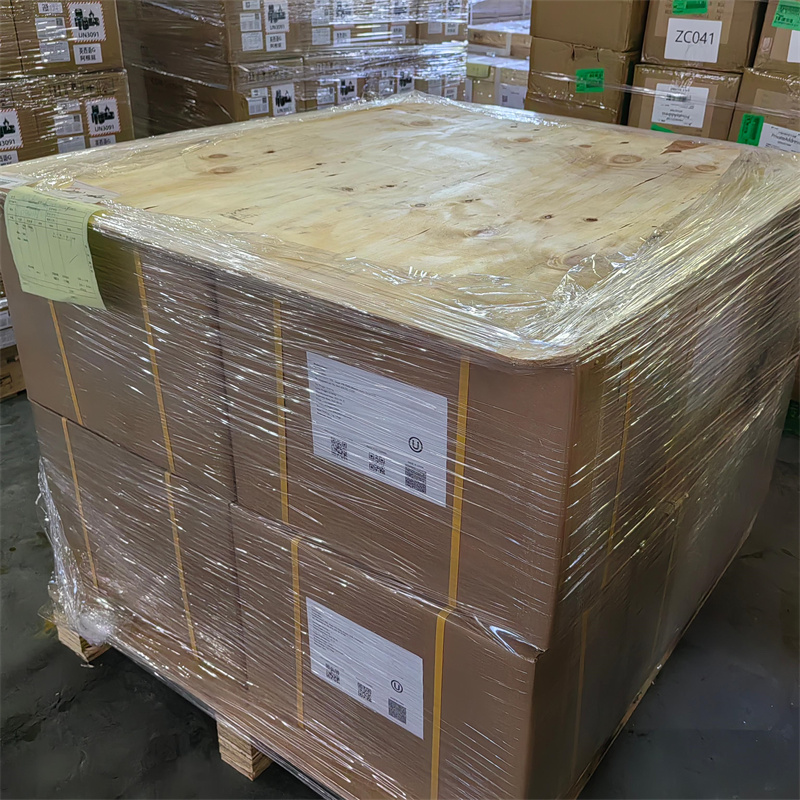
Packaging Concerns: Ensure that the packaging used for dehydrated carrots protects against moisture and contamination. This is crucial for maintaining product quality during storage and transportation.
Lead Times: Discuss lead times upfront to avoid delays in production schedules. Suppliers should provide estimated timelines for order fulfillment and shipping.
Sample Approval: Before mass production, buyers should approve samples that reflect the quality and specifications of the bulk order. This step helps confirm the product's suitability for the intended application.
By understanding these aspects of dehydrated carrots, wholesale buyers can make informed decisions that align with their product quality and operational needs. Whether you are in the food, beverage, or pharmaceutical industry, incorporating dehydrated carrots into your offerings can enhance the nutritional value and appeal of your products.
 EN
EN