Food stabilisers are essential ingredients in the food industry, serving to maintain the desired consistency, texture, and overall quality of food products. As a B2B buyer, understanding the specifications, sourcing options, and cost factors associated with food stabilisers is crucial for making informed purchasing decisions. This article aims to guide purchasing managers, product managers, and other industry professionals through the key considerations when selecting food stabilisers for their operations.
When purchasing food stabilisers, several specifications should be considered to ensure that the product meets your application needs. Key specifications include:
Type of Stabiliser: Common types include gums, starches, and proteins, each offering unique properties. For example, xanthan gum is excellent for thickening, while guar gum can enhance texture and moisture retention. If you're interested in enhancing your products further, consider exploring Feed Ingredients that can complement these stabilisers.
Viscosity: This specification is critical as it affects the final product's mouthfeel and stability. Buyers should request viscosity data at different shear rates to understand how the stabiliser will perform during processing and storage.
Solubility: The ability of the stabiliser to dissolve in various conditions (cold or hot water) is essential. Soluble stabilisers are often preferred for ease of use in formulations.
pH Stability: Stability across a range of pH levels ensures that the stabiliser performs effectively in diverse food products, particularly in acidic or alkaline environments.
Regulatory Compliance: Ensure that the food stabiliser complies with local and international food safety regulations, such as those set by the FDA or EFSA.
By confirming these specifications with suppliers, you can select a food stabiliser that aligns with product requirements and regulatory standards.

Sourcing food stabilisers requires careful consideration of supplier reliability and product quality. Here are some strategies for identifying trustworthy suppliers:
Industry Experience and Expertise: Look for suppliers with a proven track record in the food ingredient sector. Companies like Shanghai Yuanri International Trade Co., Ltd. leverage a decade of experience and serve a global clientele, ensuring they understand industry demands and quality requirements.
Certifications and Quality Assurance: Suppliers should possess relevant certifications that demonstrate compliance with quality standards, such as ISO 9001 or HACCP. This assures buyers of their commitment to quality control.
Customized Solutions: A supplier that offers tailored solutions can better meet your specific requirements. Discuss your product's unique needs, and evaluate whether the supplier can adapt their offerings accordingly.
Testimonials and Case Studies: Reviewing client testimonials and case studies can provide insights into the supplier's reliability and product performance. This can be particularly helpful in assessing their suitability for your needs.
Samples and Testing: Before finalizing any orders, request samples of the food stabiliser. Testing these samples in your specific application can help you evaluate their effectiveness and compatibility.
Understanding the cost structure of food stabilisers is essential for budgeting and financial planning. Here are some key cost factors to consider:
Material Costs: The base materials used to produce food stabilisers can significantly affect pricing. For instance, natural stabilisers like guar gum may vary in price based on crop yields and seasonal factors. Additionally, incorporating a variety of ingredients such as Food Ingredients can also influence overall costs.
Production Scale: Bulk orders typically result in lower unit costs due to economies of scale. However, minimum order quantities (MOQ) set by suppliers can impact overall costs, so negotiate MOQs based on your needs.
Transportation and Logistics: Shipping costs can fluctuate based on distance, weight, and delivery timelines. Assess the total cost of logistics when calculating the final price of food stabilisers.
Customization Fees: If you require customized formulations, be prepared for potential additional costs. Discuss these upfront with suppliers to avoid surprises later in the purchasing process.
Market Trends: Keep an eye on industry pricing trends, as fluctuations in demand or supply can influence stabiliser prices. Subscribing to industry reports can provide valuable insights.
By evaluating these cost factors, buyers can make informed decisions that align with their budget and operational needs.
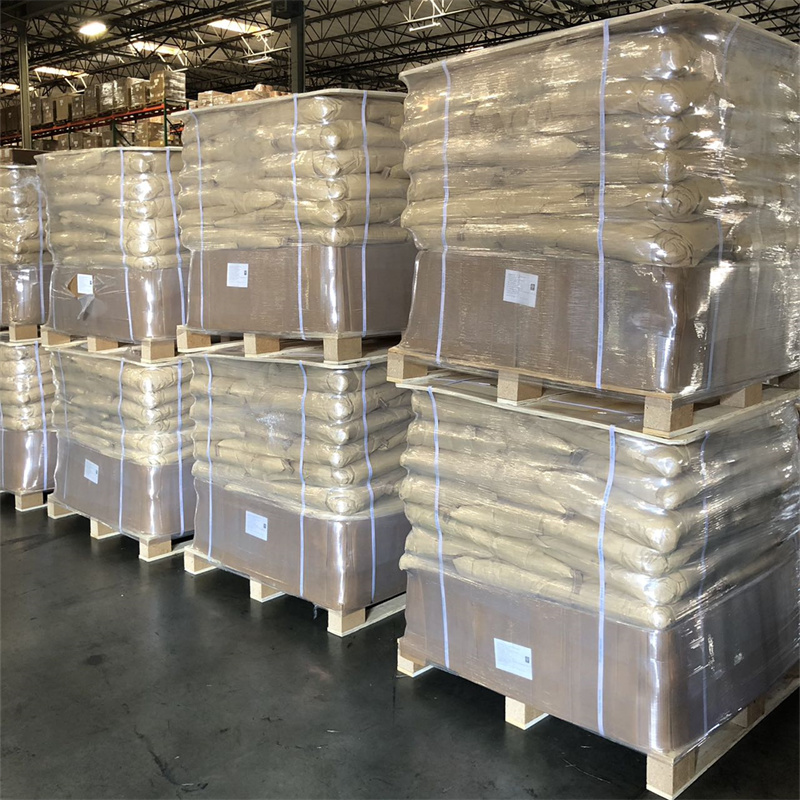
When preparing to purchase food stabilisers, following a structured approach can streamline the process. Here’s a practical buyer’s guide to assist you:
Define Your Requirements: Clearly outline the specific characteristics you need in a food stabiliser, such as functionality, application, and regulatory compliance.
Request Quotations: Prepare a detailed RFQ (Request for Quotation) that includes specifications, quantities, and delivery requirements. This will help suppliers provide accurate pricing and lead times.
Evaluate Suppliers: Compare potential suppliers based on their experience, certifications, and product offerings. A well-rounded supplier should demonstrate not only product quality but also a commitment to customer support.
Sample Evaluation: Before placing a bulk order, conduct thorough testing of samples in your production process. This evaluation should encompass performance under actual operational conditions.
Finalize Terms: Negotiate contract terms that cover pricing, MOQs, lead times, and payment terms. Ensure that all agreements are documented to prevent misunderstandings.
By adhering to this guide, you can enhance your purchasing efficiency and reduce the risk of selecting an unsuitable product.
A solid understanding of the technical aspects of food stabilisers is crucial for informed decision-making. Here are several key points to consider:
Functional Mechanism: Food stabilisers typically work by forming a gel-like structure that traps water, thereby preventing the separation of ingredients and maintaining texture. Understanding this mechanism helps in selecting the right stabiliser for your specific application.
Compatibility with Other Ingredients: Assess how the stabiliser interacts with other components in your formulation. Some stabilisers may affect the flavor or color of the final product, so it's vital to perform compatibility tests.
Shelf Life Considerations: The stability of food stabilisers over time is critical. Discuss expected shelf life with suppliers and consider how storage conditions may affect product performance.
Processing Conditions: Different stabilisers may require specific processing conditions (e.g., temperature, shear rates) to perform optimally. Ensure that your production equipment can accommodate these requirements.
Regulatory Considerations: Understanding the regulatory landscape for food additives is essential. Ensure that your selected stabiliser complies with relevant regulations, as this impacts marketability and safety.
Gaining technical knowledge about food stabilisers enables buyers to make confident decisions, ensuring product quality and compliance with industry standards.
 EN
EN