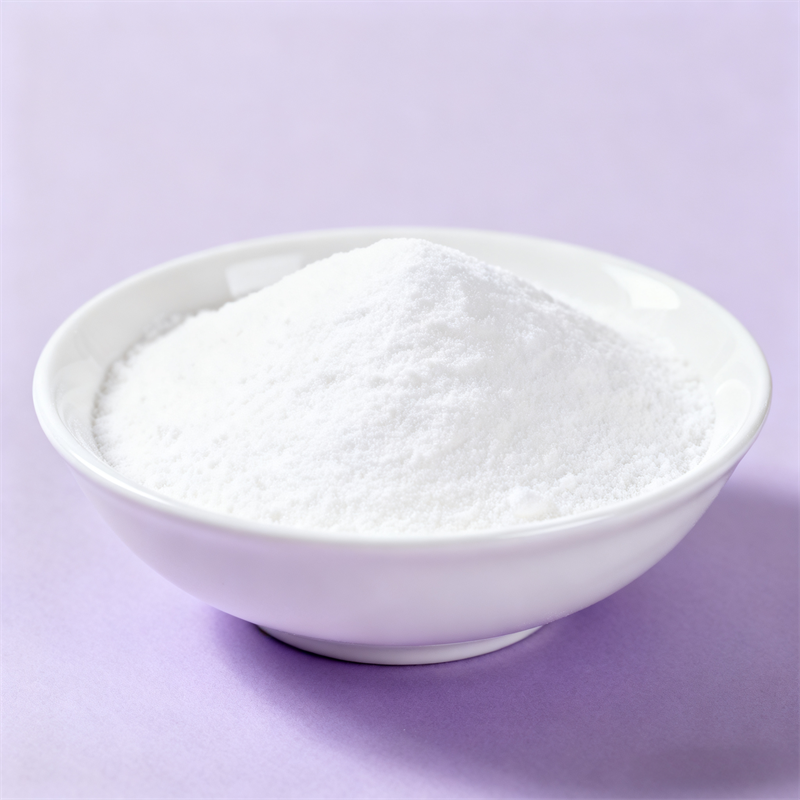
Bread emulsifiers are essential ingredients in the baking industry, playing a crucial role in improving the texture, shelf life, and overall quality of bread and other baked goods. As a B2B buyer, understanding the specifications, applications, and potential issues related to bread emulsifiers is vital for making informed purchasing decisions. This article aims to provide insight into these aspects, helping purchasing managers and product developers select the right emulsifiers for their bakery products.
When selecting a bread emulsifier, several key specifications must be considered to ensure optimal performance in your baking processes.
Type of Emulsifier: Bread emulsifiers can be categorized into mono- and diglycerides, lecithins, and others. Each type has distinct functionalities; for instance, mono- and diglycerides enhance dough stability and improve loaf volume, while lecithins contribute to better dough handling. Additionally, incorporating certain Feed Ingredients can enhance the effectiveness of these emulsifiers.
HLB Value: The Hydrophilic-Lipophilic Balance (HLB) value is crucial for understanding the emulsifier's compatibility with other ingredients. An HLB value between 3 and 6 is typically optimal for bread applications, as it promotes the right balance between oil and water phases, resulting in a stable dough.
Dosage Levels: Typically, bread emulsifiers are used at concentrations ranging from 0.5% to 2% of the flour weight. The correct dosage can significantly affect the texture and shelf life of the final product.
Quality Certifications: Ensure that the emulsifiers meet relevant food safety standards such as FDA or EU regulations. Certifications can provide assurance regarding the quality and safety of the emulsifiers.
Shelf Life: A longer shelf life is preferable for ease of inventory management. Check the manufacturer's recommendations for storage conditions and shelf life to prevent degradation.
Understanding these specifications will help you select the appropriate bread emulsifier for your specific needs and applications.

When sourcing bread emulsifiers, buyers should consider several critical factors to ensure the product meets their requirements:
Compatibility with Ingredients: Ensure the emulsifier is compatible with other ingredients in your formulation, such as flour, fats, and sugars. Conducting preliminary tests can help verify this compatibility. Furthermore, adding Food Additives can also improve the overall formulation.
Customization Capabilities: Look for suppliers that offer the ability to customize emulsifiers based on your specific formulation needs. Custom solutions can provide unique benefits that standard products may not fulfill.
Technical Support: Choose a supplier that provides technical support and guidance. This can be invaluable if you encounter challenges during formulation or production.
Regulatory Compliance: Confirm that the emulsifiers comply with local and international food safety regulations. This not only ensures product safety but also protects your brand's reputation.
Sample Approval: Before committing to a bulk order, request samples for testing. Evaluating the emulsifier’s performance in your specific applications will help mitigate risks associated with quality and functionality.
By focusing on these aspects, you can ensure that the bread emulsifiers you choose will enhance your products while meeting industry standards.

Despite their benefits, bread emulsifiers can present several challenges. Here are common problems and effective solutions:
Inconsistent Texture: This can occur if the emulsifier is not well-distributed throughout the dough. To address this, ensure thorough mixing and consider using a pre-emulsified blend to enhance distribution.
Shortened Shelf Life: If bread products are still going stale too quickly, it may indicate the emulsifier is not functioning as expected. Re-evaluate the dosage and consider conducting tests with different emulsifier types or blends.
Dough Handling Issues: Problems such as stickiness or difficulty in shaping may arise from the wrong emulsifier choice. Conduct trials with different emulsifiers to find one that improves dough handling.
Flavor Impact: Some emulsifiers can impart unwanted flavors. If this occurs, consult with your supplier to explore alternatives or blends that minimize flavor impact while maintaining functionality.
Addressing these common issues proactively can lead to better product quality and customer satisfaction.
When considering bread emulsifiers for bulk orders, several cost factors come into play:
Raw Material Costs: The price of raw materials used in emulsifier production can fluctuate, impacting overall costs. Understanding market trends can help you anticipate price changes.
Order Quantity: Bulk orders typically come with reduced unit costs. However, be mindful of the minimum order quantity (MOQ) set by suppliers, which can affect your cash flow and storage capacity.
Customization Costs: If you require a customized emulsifier, be aware that this may lead to higher costs due to additional formulation work and testing.
Shipping and Handling: Factor in shipping costs, which can vary based on distance and order size. Inquire about shipping terms and how they impact your overall budget.
Supplier Relationships: Building a long-term relationship with a supplier can lead to better pricing and terms over time. Don’t hesitate to negotiate based on loyalty and consistent ordering patterns.
By understanding these cost factors, you can make informed decisions that align with your budget and operational needs.
Bread emulsifiers are versatile ingredients that can enhance various bakery products beyond just bread. Here are some key applications:
Buns and Rolls: Emulsifiers improve the texture and volume of buns and rolls, ensuring a light and fluffy product that retains moisture longer.
Muffins and Cakes: In muffins and cakes, emulsifiers contribute to a uniform crumb structure and moistness, enhancing the overall eating quality.
Pastries: For pastries, emulsifiers help achieve the desired flakiness and stability, which is crucial for maintaining shape during baking.
Gluten-Free Products: Emulsifiers can also be beneficial in gluten-free formulations, aiding in moisture retention and improving texture, which can often be challenging in gluten-free baking.
Understanding the diverse applications of bread emulsifiers allows you to leverage their benefits across your product range, catering to various consumer preferences and market demands.
By comprehensively assessing the specifications, potential issues, cost factors, and applications of bread emulsifiers, B2B buyers can make informed decisions that enhance their bakery products while ensuring compliance and quality.
 EN
EN