Acidity regulators are essential food additives that help control the pH level in various food products, preserving flavor and texture while enhancing shelf life. For B2B buyers, understanding the nuances of selecting the right acidity regulator is crucial, as it impacts product quality, compliance, and customer satisfaction. This article aims to provide insights into acidity regulators, guiding purchasing managers and product developers through the selection, sourcing, and application processes.
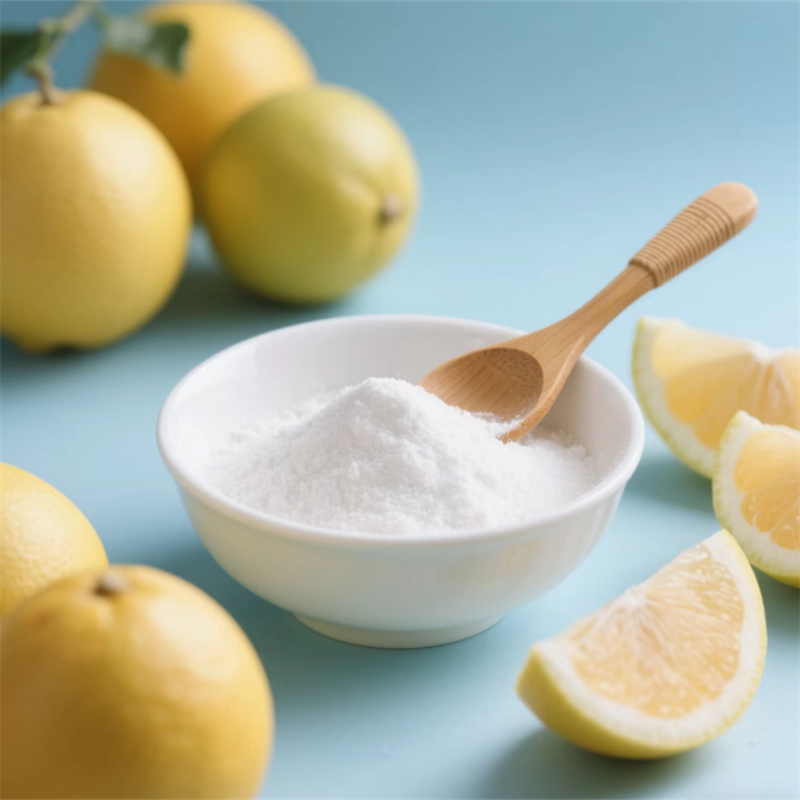
Selecting an acidity regulator involves considering various factors, including the type of food product, desired flavor profile, and regulatory compliance. Common acidity regulators include citric acid, phosphoric acid, and lactic acid, each offering unique properties. For example, citric acid is often used in beverages and confectionery for its tart flavor, while phosphoric acid is more suitable for processed foods due to its preservative qualities. Additionally, incorporating other food ingredients can enhance the overall product quality.
<p>When choosing an acidity regulator, it’s essential to consider the following specifications:</p> <strong>Type of Application</strong>: Different food applications may require specific acidity levels. Conducting pH tests can help determine the appropriate regulator for your product. <strong>Taste and Flavor Impact</strong>: Some acidity regulators can alter the taste of the final product. Sample testing is crucial to ensure that the chosen regulator complements the desired flavor profile. <strong>Regulatory Requirements</strong>: Verification of compliance with local and international food safety regulations is necessary. Ensure that the acidity regulator is approved for use in your target markets. <p>By understanding these factors, buyers can make informed decisions that align with their product goals.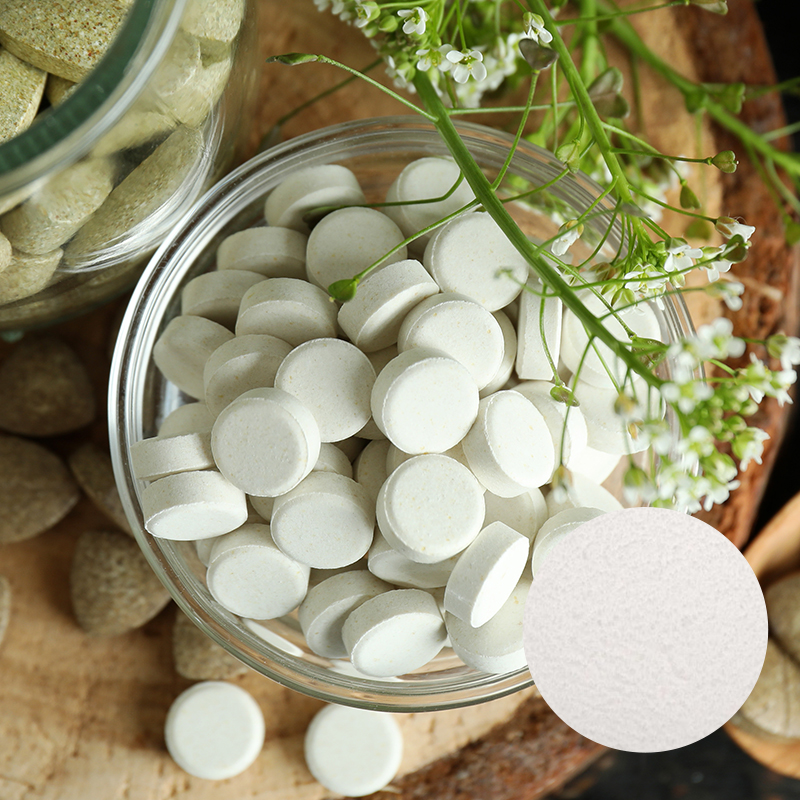
Sourcing high-quality acidity regulators in bulk requires careful evaluation of potential suppliers. Key considerations include:
<strong>Reputation and Experience</strong>: Look for suppliers with a proven track record in the food industry. Companies like Shanghai Yuanri International Trade Co., Ltd., with over 10 years of experience in supplying food additives, can provide insights into product quality and reliability. <strong>Quality Control Processes</strong>: A reputable supplier should have stringent quality control measures to ensure that their acidity regulators meet industry standards. Ask about their testing protocols, certifications, and quality assurance practices. <strong>Customization Capabilities</strong>: Depending on your specific needs, you may require customized solutions. Discuss your requirements with suppliers to ensure they can meet your expectations in terms of product formulation and packaging. Consider exploring options like Feed Ingredients to enhance your product offerings.Establishing a solid relationship with a reliable supplier can enhance your production process and overall product quality.
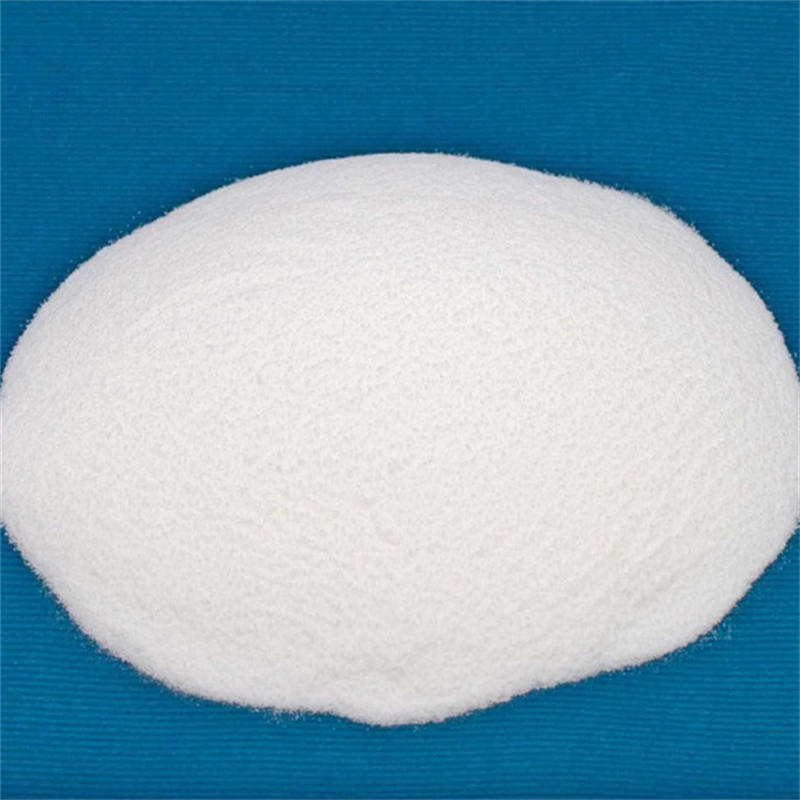
When evaluating the costs associated with sourcing acidity regulators, consider the following factors:
<strong>Raw Material Costs</strong>: The price of raw materials can fluctuate based on market conditions. Understanding the components of the acidity regulator can help forecast potential price changes. <strong>Minimum Order Quantities (MOQ)</strong>: Suppliers often have MOQs that can impact your purchasing strategy. Assess your production needs against the supplier’s MOQ to ensure it aligns with your inventory management. <strong>Shipping and Handling</strong>: Consider transportation costs and lead times when calculating the total cost of acquisition. Suppliers with efficient logistics can minimize delays and reduce costs. <p>By analyzing these cost factors, buyers can make informed decisions that align with their budget and operational needs.
Proper installation and usage of acidity regulators are vital to achieving desired outcomes in food production. Here are important steps to consider:
<strong>Preparation</strong>: Before adding an acidity regulator, ensure that your equipment is clean and free from contaminants. This step is crucial for maintaining product quality. <strong>Dosage</strong>: Follow the recommended dosage guidelines provided by the supplier. Overuse can affect the taste and safety of the food product, while underuse may not achieve the desired preservation effect. <strong>Mixing Techniques</strong>: Proper mixing techniques can ensure that the acidity regulator is evenly distributed throughout the product. Consider using specialized mixing equipment to achieve uniformity. <p>Buyers should validate the effectiveness of the acidity regulator through rigorous testing of samples produced with varying dosages.Investing in high-quality acidity regulators offers several advantages for manufacturers:
<strong>Improved Shelf Life</strong>: High-quality regulators can enhance the shelf life of food products, reducing waste and increasing customer satisfaction. This is particularly important for perishable goods. <strong>Flavor Preservation</strong>: Quality acidity regulators help maintain the intended flavor profile of food products. This is crucial in competitive markets where taste can significantly impact consumer choice. <strong>Regulatory Compliance</strong>: Using reputable suppliers that provide high-quality products can help ensure compliance with food safety regulations, reducing the risk of recalls and reputational damage. <p>By prioritizing high-quality acidity regulators, manufacturers can enhance their product offerings and build trust with consumers.understanding the role of acidity regulators in food applications is essential for B2B buyers. From selecting the right product to sourcing reliable suppliers and ensuring effective usage, each step plays a critical role in achieving product quality and compliance. By leveraging the insights provided, purchasing managers and product developers can make informed decisions that enhance their production processes and customer satisfaction.
 EN
EN