 EN
EN

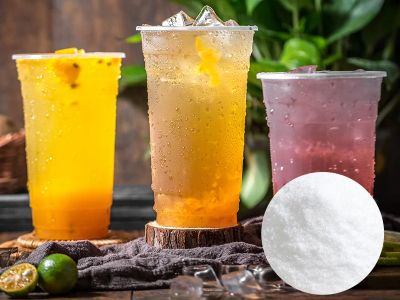
Natural sweeteners and artificial sweeteners serve unique purposes in food and beverage formulations, each with its own formulation trade-offs that manufacturers must consider. For food and beverage manufacturers, understanding the nuances of both options is essential for meeting consumer demands and achieving product goals. This article delves into the primary considerations surrounding natural vs. artificial sweeteners, helping manufacturers make informed choices that align with regulatory standards, cost objectives, and consumer preferences.
How to Evaluate Artificial Sweeteners for Your Product Line?
When evaluating artificial sweeteners for your product line, key factors to consider include sweetness intensity, flavor profile, and stability under various conditions. Sweetness intensity is crucial; some artificial sweeteners can be hundreds of times sweeter than sugar, which may require careful formulation adjustments to achieve the desired taste profile. For instance, supra lose and aspartame are popular due to their high sweetness ratios but may have distinct aftertastes that can affect the overall flavor of the final product. Stability is another vital consideration. Different artificial Sweetener have varying levels of heat and pH stability, affecting their use in cooking or baking. For example, while aspartame loses sweetness at high temperatures, supra lose remains stable, making it suitable for a broader range of applications. Furthermore, it’s essential to consider regulatory guidelines governing the use of artificial sweeteners in your target market, as these can impact your formulation choices.
Natural vs Artificial Sweeteners in Bulk
When purchasing sweeteners in bulk, manufacturers need to evaluate the cost-effectiveness and supply chain implications of both natural and artificial options. Natural sweeteners, such as stevia and agave syrup, often carry a higher price point due to their extraction processes and sourcing methods. However, they align with the growing consumer preference for clean-label products, which can justify the increased cost in certain markets. On the other hand, artificial Thickener like saccharin or cyclamate may provide a more economical choice for high-volume production due to their lower cost and higher sweetness intensity. It’s important for buyers to analyze their target consumer demographics and product positioning. For instance, if your product targets health-conscious consumers, investing in natural sweeteners may enhance brand perception and marketability, despite potentially higher upfront costs.
Quality Control Standards for Sweetener Ingredients in Food
Quality control is paramount in the food industry, especially when it comes to sweeteners. Manufacturers must adhere to strict quality control standards to ensure that sweeteners meet safety and quality benchmarks. This includes verifying the purity of the sweeteners, ensuring compliance with industry regulations, and conducting regular testing for contaminants. Implementing a robust quality assurance protocol can involve testing for specific parameters such as moisture content, pH levels, and microbial load. Additionally, working with suppliers who provide comprehensive documentation of their Nutrient Fortifier products, including certificates of analysis (COAs) and compliance with food safety standards, can streamline the evaluation process. For companies like Shanghai Yuanri International Trade Co., Ltd., leveraging ten years of expertise in sourcing premium ingredients, including sweeteners, enhances the reliability of the supply chain.
Where to Source Reliable Natural and Artificial Sweeteners?
Sourcing reliable sweeteners involves a combination of research and supplier evaluation. Begin by identifying suppliers with a proven track record in the food and beverage sector. Look for manufacturers who can provide specifications and documentation for their sweeteners, including their sourcing practices and quality control measures. Trade shows, industry conferences, and B2B platforms can serve as valuable resources for connecting with reputable suppliers. Additionally, engaging with a supplier who has experience in exporting to various markets can provide insights into regional compliance standards and consumer preferences. A supplier like Shanghai Yuanri International Trade Co., Ltd., which specializes in premium health food ingredients, can offer tailored solutions that meet both quality and regulatory requirements.
Choosing the Right Sweetener for Production
Selecting the right sweetener for your production process requires a thorough understanding of your product's intended application, target market, and regulatory requirements. Factors such as flavor compatibility, sweetness level, and cost must align with the product's overall formulation goals. Start by defining the product's target audience and their preferences. For example, if targeting consumers seeking low-calorie options, artificial sweeteners may be more appealing. Conversely, if the focus is on organic or natural products, opting for natural sweeteners can enhance marketability. Consider conducting small-scale trials to evaluate the performance of various sweeteners in your formulations. This will allow you to assess factors such as taste, mouthfeel, and stability. Developing a robust testing protocol that includes consumer feedback can also provide valuable insights, ensuring that the final product resonates with your market. understanding the formulation trade-offs between natural and artificial sweeteners is crucial for food and beverage manufacturers aiming to meet customer needs while adhering to regulatory standards. By evaluating sweeteners based on their characteristics and potential applications, manufacturers can make informed decisions that enhance product quality and market competitiveness.